Recovery Guides · Movewell Learning Hub
Recovery Guides: Educational Resources for Better Movement
Muscle recovery is a vital component of any fitness program. Without proper rest and active recovery, the body cannot adapt to the stresses of exercise. Our guides provide practical information on how to use Movewell equipment to manage muscle tension, improve flexibility, and support post-workout recovery. We focus on safe, effective techniques that anyone can perform at home.
Foundations
The science of muscle recovery, explained plainly
Recovery is the process by which the body repairs tissue and replenishes energy stores after physical exertion. Using active recovery methods — such as light stretching and myofascial release — can help move metabolic waste out of the muscles, reducing the feeling of heaviness and stiffness that often follows a demanding session.
Understanding this process helps you prioritize rest as much as you prioritize your training sessions. Recovery is not passive; it is an active practice that determines how prepared your body is for the next challenge. When you use stretching equipment and massage tools deliberately, you give your muscles the conditions they need to rebuild and return to full range of motion.
What this hub covers
Foam rolling technique, beginner stretching, myofascial release with massage balls, post-workout routines, and daily tension management — all written for use at home with Movewell equipment.
Guide · Foam Rolling
Effective foam rolling exercises for common tight spots
Many people own a foam roller but are not sure how to use it effectively. Rolling aimlessly across the floor does little; targeted, deliberate work on specific muscle groups is what produces results.
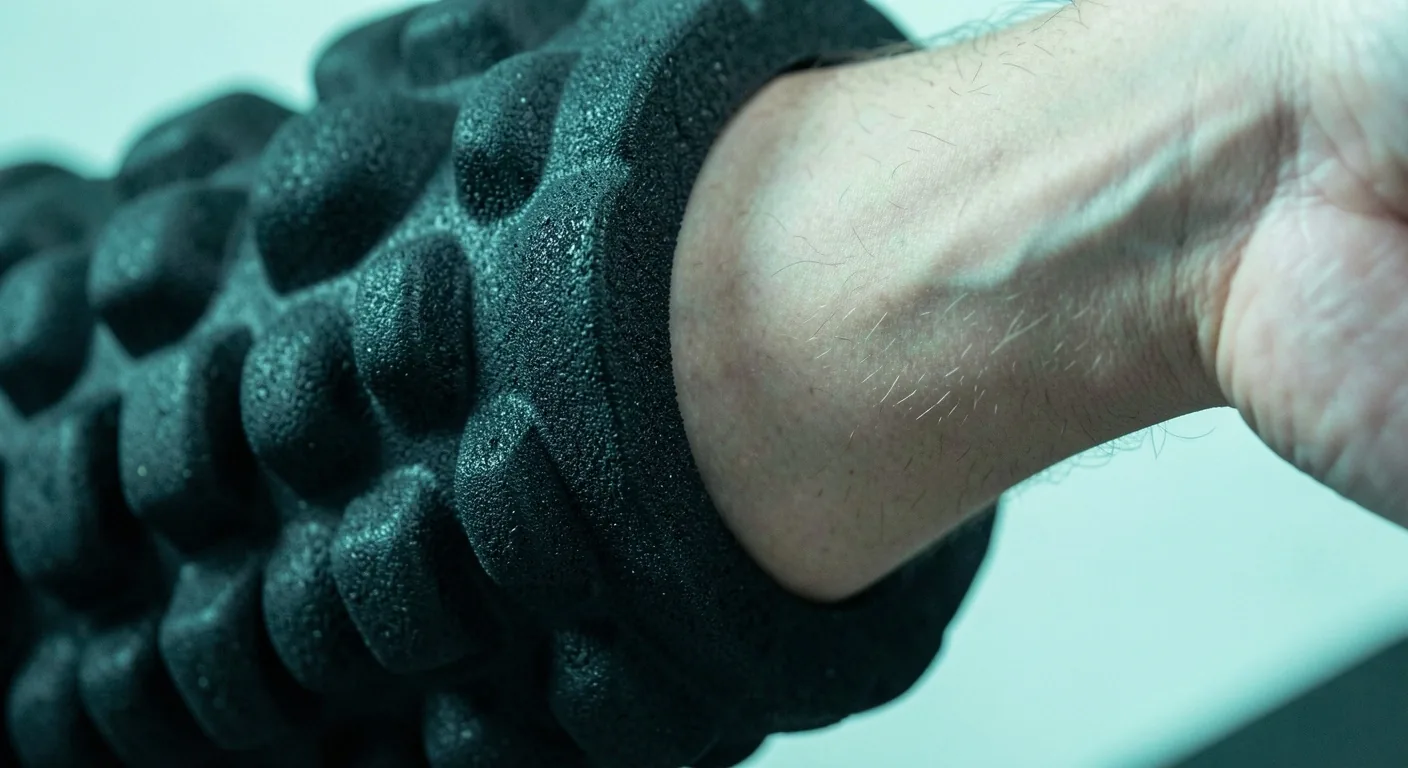
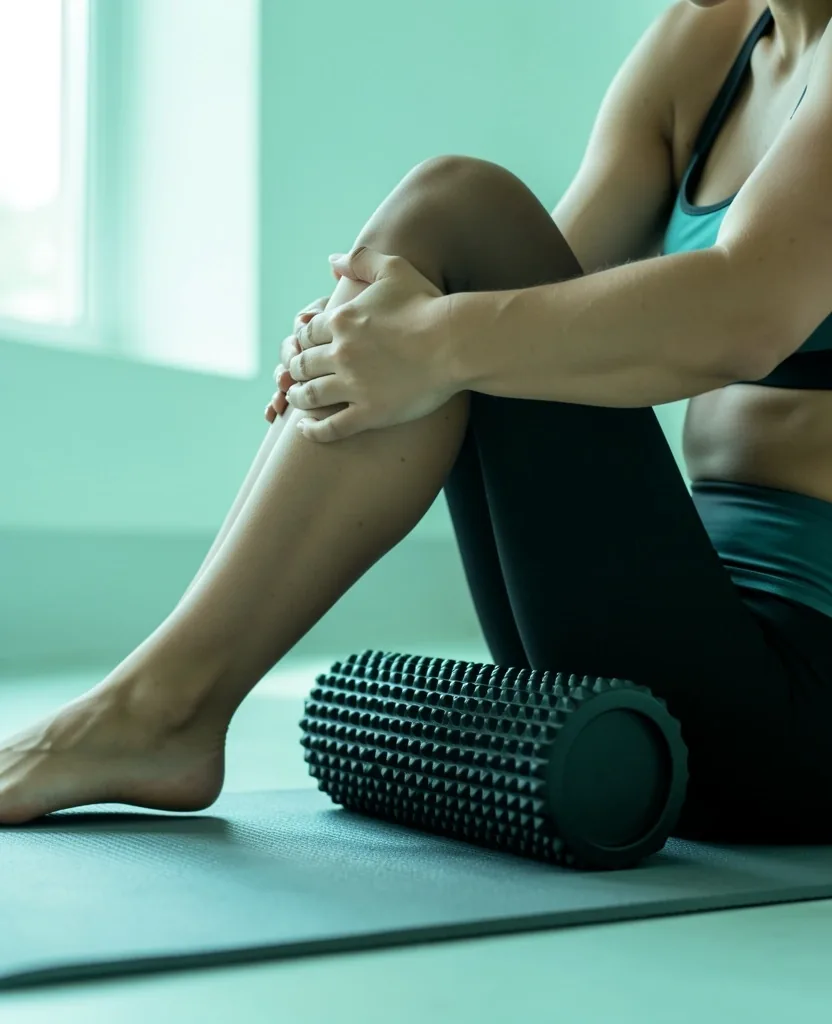
Our guides break down specific movements for the most common tight spots, including the IT band, calves, and lats. We emphasize slow, controlled movements and proper breathing to maximize the benefits of each session. The muscle massage roller should move at roughly one inch per second — fast enough to maintain blood flow, slow enough to let the tissue respond.
- IT band and outer thigh: work from the hip to just above the knee, pausing on tender spots without rolling directly over the joint.
- Calves: rotate the ankle slowly while the roller sits under the belly of the muscle to reach different fibres.
- Lats and upper back: lie sideways and trace the roller from the armpit to the lower ribs, keeping the arm overhead.
Guide · Post-Workout
Post-workout recovery routines that help you feel ready tomorrow
What you do in the sixty minutes following a workout can dictate how you feel the next day. The goal is not to do more work but to help your nervous system transition from a state of high exertion to rest.
We suggest a combination of gentle static stretching and light rolling to help that shift happen. This routine helps reduce the feeling of heaviness in the limbs and supports blood flow to the muscles that just did the work. A simple sequence might include five minutes of slow walking, followed by targeted stretches held for 30 to 45 seconds each, and finishing with two or three minutes of foam rolling on the areas that feel most worked.
Try this sequence
Start with the largest muscle groups — quads and hamstrings — before moving to smaller areas like the neck and forearms. Hold each stretch at the point of mild tension, not strain, and breathe steadily throughout.
Two Guides · Starting Out
Stretching for beginners and relieving tension after work
Flexibility takes time to build, and tension builds up quietly over the course of a day. These two guides address both ends of the spectrum: starting a stretching practice from scratch, and undoing the stiffness that accumulates from hours at a desk.
Stretching for beginners: getting started safely
It is important not to rush the process. Our beginner guides focus on foundational stretches that target the whole body without requiring extreme positions. We show you how to use mats and blocks to make every stretch accessible and comfortable from day one.
A good body stretching routine for beginners starts with five basic movements: a forward fold for the posterior chain, a gentle lunge for the hip flexors, a seated twist for the spine, a chest opener using a doorway, and a supine hamstring stretch with a resistance band. Each can be modified down — or up — based on how your body feels that day.
Relieving muscle tension after a long day at the desk
Modern lifestyle habits often lead to tension in the neck, shoulders, and lower back. We provide specific routines designed to be performed in a small space, perfect for decompression after a long day at a desk.
These short sessions focus on opening up the front of the body and relaxing the spine. A back support cushion can help position the thoracic spine for gentle extension, while a peanut massage ball placed along the spine — never directly on the vertebrae — can release tension in the muscles flanking the neck and upper back. Ten minutes is enough to feel a noticeable difference.
Guide · Myofascial Release
How to release muscle knots using massage balls and pressure points
Learning how to release muscle knots can save you a lot of discomfort. Knots — often called trigger points — are small areas within a muscle fibre that have contracted and stayed tight. They feel tender when pressed and can refer tension to surrounding areas.
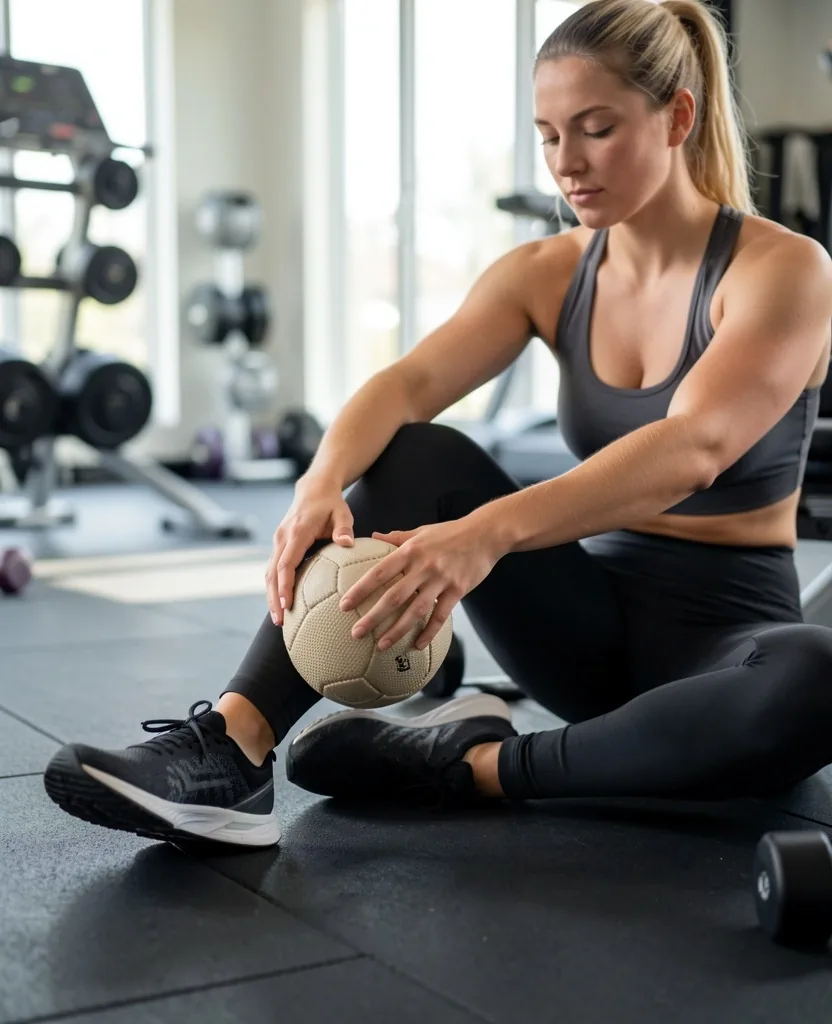
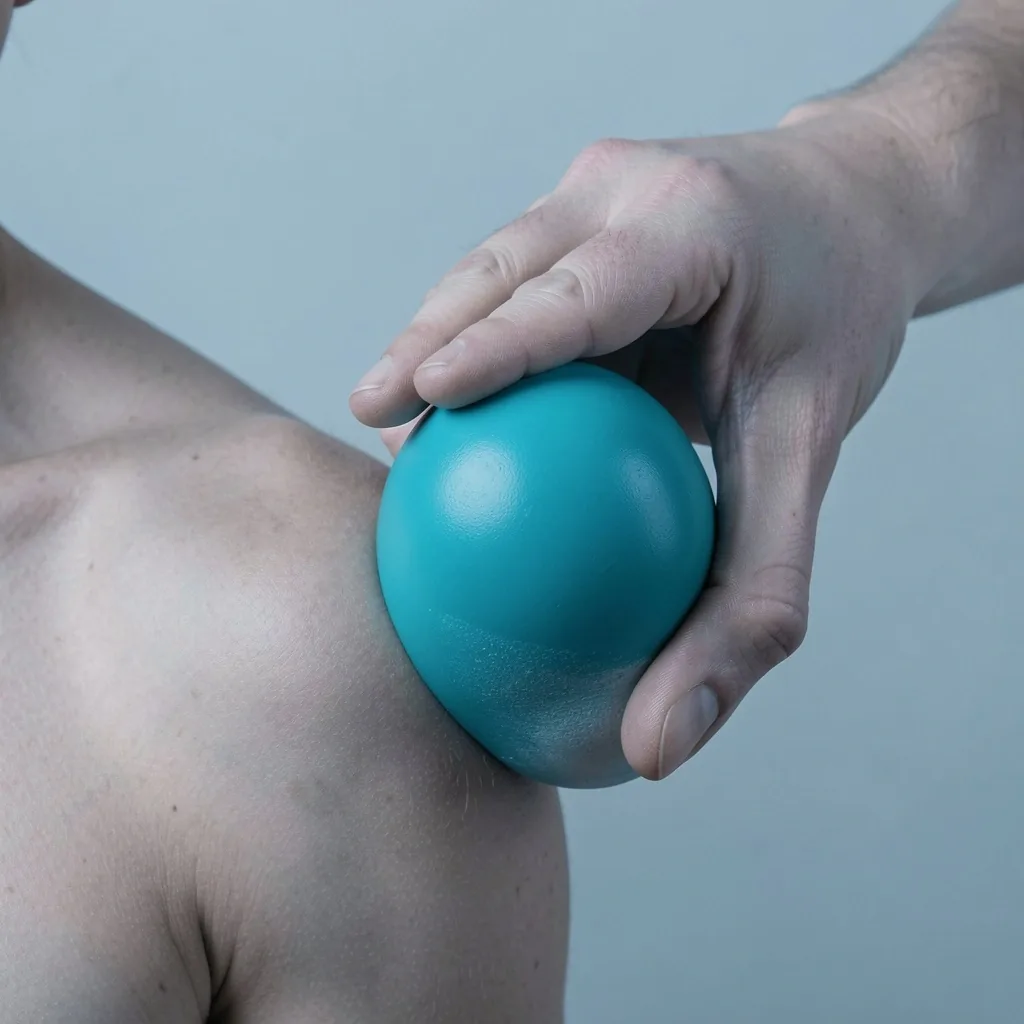
Our guides explain how to use massage balls to apply steady, targeted pressure to these points. The technique is called ischemic compression: you place the ball on the knot, lean your body weight into it, hold for 30 to 90 seconds, and breathe slowly until you feel the tissue begin to soften.
This self-directed technique is a practical tool for maintaining muscle health between professional sessions. A peanut massage ball is particularly useful for the muscles along the spine, while a single massage ball works well for shoulders, glutes, and feet. The key is sustained pressure, not aggressive rolling.
Quick Reference
Use a firm ball for deep tissue areas like glutes and shoulders. Switch to a softer ball for the neck and feet. Never place a ball directly on the spine or on joints.
Guide · Longevity
Mobility for longevity
Recovery is not just for athletes. It is for anyone who wants to move well for a lifetime. Our guides for seniors focus on gentle movements that keep the joints lubricated and the muscles supple, using mobility tools for seniors that are approachable and effective.
Maintaining mobility is one of the best ways to ensure you can continue doing the things you love — whether that is gardening, walking, playing with grandchildren, or returning to a favourite sport. Gentle fitness equipment like resistance bands, soft foam rollers, and supportive yoga mats make it possible to build a sustainable practice without high-impact strain.
We also cover safe exercises for knees and lower back relief tools that fit into a daily routine. The goal is consistency over intensity: ten minutes of thoughtful movement each day does more for long-term mobility than an occasional long session that leaves you stiff for days afterward.
Planning Your Practice
Customizing your recovery plan
Every body is different, and your recovery needs will change based on your activity levels. We provide a framework for building a personalized plan that balances intensity with restoration.
Step One
Assess what your body needs today
Check in with the areas that feel tight or overworked. A quick body scan — neck, shoulders, lower back, hips, legs — tells you where to focus your attention before you pick up a tool.
Step Two
Match the tool to the task
A foam roller covers large muscle groups. A massage ball targets specific knots. Resistance bands support active stretching. Choose the tool that addresses the area you identified in your scan.
Step Three
Set a realistic time frame
Whether you need five minutes of rolling or an hour of deep stretching, our resources help you decide what is best for your body today. Consistency matters more than duration.
Take it with you
Download our printable recovery plan template and track your daily routine.
Questions About These Guides
Common questions about using Movewell recovery tools
How often should I use a foam roller?
Most people benefit from five to ten minutes of foam rolling after exercise or at the end of the day. If you are new to it, start with shorter sessions and gradually increase as your body adjusts to the pressure.
Can I use a massage ball every day?
Yes, daily use is fine for most people, especially for short, targeted sessions. Avoid spending more than two minutes on a single trigger point in one sitting, and give an area a rest day if it feels tender.
I am new to stretching. Where should I begin?
Start with our stretching for beginners guide, which covers five foundational movements. Pair your practice with a comfortable yoga mat or pilates mat and use a block or cushion for support so each position feels sustainable.
Are these guides suitable for older adults?
Yes. Our mobility for longevity section is written with older adults in mind and focuses on gentle, low-impact movements using approachable equipment like soft rollers and resistance bands.
Need More Guidance?
If you have a question about which tool suits your routine, our team in Lemesos is here to help you choose well.
Contact Movewell